Enhancing Your Financial Confidence In 26/27
When women think of confidence we don’t often incorporate financial confidence into the equation, yet our ability to save, invest and spend impacts our health and wellbeing. Instead of focussing on what to spend your tax return on this year, women need to be prioritising financial confidence as it’s pivotal to so many areas of our life where we want confidence. In this blog post I discuss how financial confidence can open up doors to improve better physical and emotional health and even help build better relationships.
When women talk about money we are often talking about what we are spending, how we are keeping ourselves looking great, the latest beauty product we swear by and our newest outfit or accessory but we very rarely discuss budgeting, investing and thinking cleverly about where our money goes. It almost always only happens when the cost of living increases or an unexpected bill props up and messes up with our plans. According to the Centre of Social Impact at the University of Western Sydney those who have significant financial stress have 6x the psychological stress as those who have no financial stress, indicating a direct link between financial stress and declining mental health. Kerry Hawkins of Community Health Australia states that ‘when people are under financial stress… their quality-of-life plummets’ so its high time we talk about how to improve financial confidence to protect our mental, physical health and overall wellbeing.
Budgeting is often focussed on portioning out your wage or salary to cover the costs that you have but it rarely starts by looking at how you have budgeted in the past. Without looking back on habits its hard to change financial confidence. This look back into where your money was spent and invested is the best way to raise awareness about what habits need to shift. This means getting uncomfortable and looking at where every dollar went and asking yourself- was that money well spent? What could I do better? What am I already doing in surplus that I could reduce and still enjoy some flexibility in life?
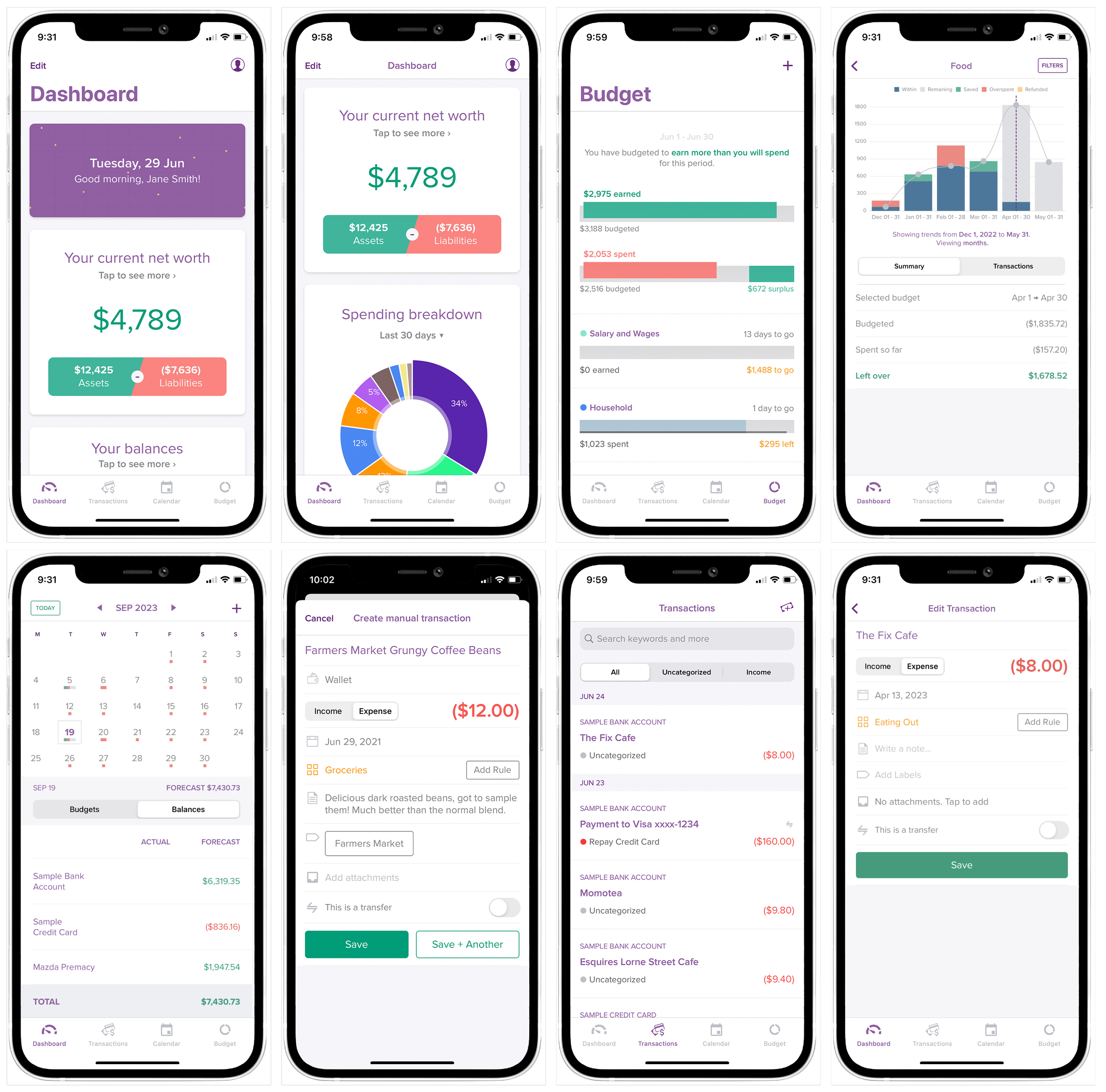
From here the action needs to be away from a ‘money mindset’ and instead into actions. What actions can make me appear to have less expendable money so I don’t go over budget? What actions can make me pay my bills faster, consistently on time and even for less? This is where making a plan really benefits you. There are an increasing number of businesses that are offering discounts for payment on time as a way to positively gear the budgeting habits of their customers (and ensure they get paid for their cost outlay in a timely fashion too). Without looking at the possibilities of the actions you can take finances easily get into a pattern marked only by working and paying bills and life is meant for more than this. This is where automation and budgeting apps can really work in your favour. The most important thing is to find what works for you. In years gone by I had heard of people I love using pen and paper but for me this didn’t really work because it wasn’t portable enough (I know that sounds ridiculous) and I really just wanted the only pen and paper I carried to be for journalling. I also wanted to be able to check on things on the go instead of stopping after each purchase and tracking how much I spent. For others they use the envelope method, which is widely popularised on Pinterest and has a big emphasis on using cash. Whatever you think you need to make things more tangible do that.
When you’ve determined your budget and you have surplus then it’s time to plan what to do with that amount. It will likely change depending on what your personal and professional goals are. You may want to create a buffer, save for a holiday or a house, you may want to put aside funds for relaxing services or use part of your surplus cash to fund improving your confidence with a confidence coach like me! You may want to do it all. Either way you need to plan what to do so it simply doesn’t evaporate. I’m sure you have experienced cash evaporation at some point in your life. It’s quite a shock when you’ve just relaxed and splurged it up only to then realise damn I spent a lot on things I didn’t really need or want and that' has now impacted my goals. The problem for this is that women, who tend to be more emotional and hormonal (in some regards) than men may then make decisions that continue this cycle- emotional eating, splurging even $10 worth on something to make themselves feel better or engaging in self loathing that doesn’t help them to make the next best step to improve their financial confidence.
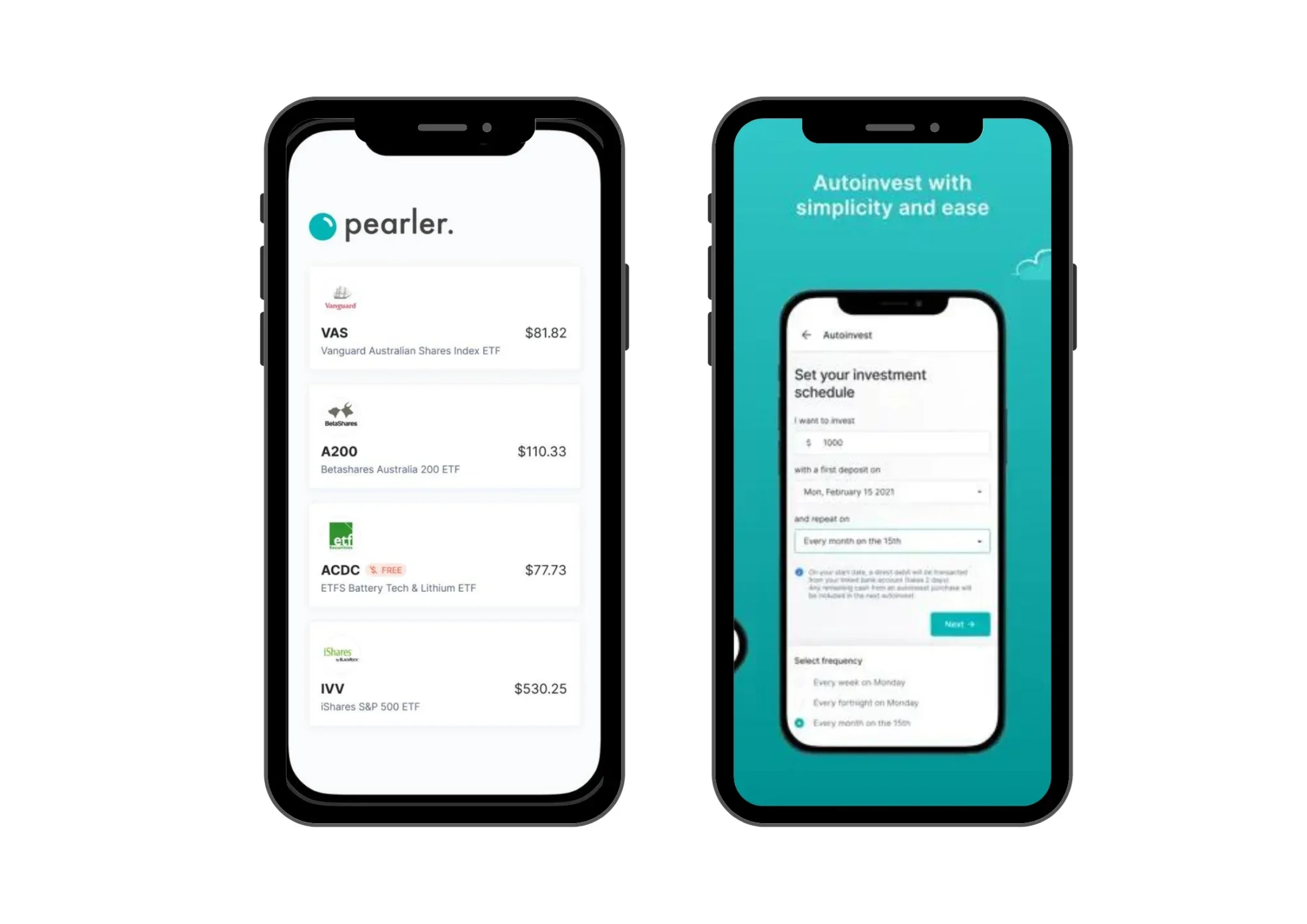
For me, what I needed was a plan to invest. Investing was not something I new how to do nor felt comfortable with so I started small and that’s what I recommend you to do too. Start on something, perhaps it’s investing as well, where you make a small action and you are prepared to learn about the outcome. For me with investing I had decided on an amount I was happy to put towards investing that would help curb spending too much on eating out and groceries and that I’d likely not miss if it was targetting to something else. Over time (it’s not been a year yet) my shares have lost money and earnt money but that is not stressing me out because I know the investment is for the long term not the short term and so I temper my mindset to help with that. For investing I use the Pearler app and it is super easy to use. You can purchase shares or even micro invest from as little as $5. Here is my referral code if you want to get a bonus for starting today: JULIA329856
To help top up my budget and my investing, I decide to do a regular check through of all costs and look at what I could do better. I do not worry about staying with the same companies for services if another company that is just as reputable is better. This includes mobile phone, internet, gas, insurances, business services like email marketing and so on. I have continued to use Facebook Marketplace as a way to sell items I no longer want. For companies and business owners I love I have a chat about how I can help them out by spreading the great news about their business (I’ll always mention if a post is sponsored, where I don’t mention it, it is NOT sponsored). I have also started hosting events, because its a fun way to make some more money in business and get women hanging out with other wonderful women on a regular basis. I do user interviews and research projects on an adhoc basis as well and I enjoy this because I feel like my voice is often getting heard for things I care about most like housing, health, education, business. Most importantly I decide exactly how much time I want to allocate to these things so that I am not working constantly and I still have balance. When I reach the hour or daily limit per month I stop and I am happy.
Whether its budgeting, spending, investing or working to earn more money each of these things can improve your financial confidence and as a result free up some opportunity to put your money where it is needed and wanted the most (because if money only went to wear it was needed that would be a bit boring wouldn’t it?). To keep yourself in check schedule a monthly check in and ask yourself…did I get the combination of wants and needs right this month? What is now a bigger priority than it was before or what hasn’t made progress and I’m really noticing that it is holding me back? Put your money where your awareness is and take the action and you’ll find yourself always up levelling your financial confidence. For more tips on hacks I really love check out my instagram feed.
When you have improved your financial confidence you’ll find that you can put more money to physical health, spend cleverly on everyday things including date nights, have a plan for catching up with friends that doesn’t cost an arm and a leg. You can choose to hire a confidence coach, see a psychologist or get that personal trainer you may feel you need to achieve your fitness goals. In the every day tasks of improving your budgeting, investing and earning, you develop an inner knowing that you have got yourself covered, so that you are not waiting for someone to bail you out or help you. You realise that you are good for the rainy days or when you may not be, you at least have the resourcefulness to manage the discomfort so you get out of it sooner rather than later.